A garden center can help you design your backyard landscape by guiding you through plant selection, layout planning, soil needs, sun and shade conditions, seasonal color, maintenance goals, and overall curb appeal. Instead of guessing which plants will survive or where everything should go, you can work with knowledgeable staff who understand how different plants grow, how they look together, and what works best in your local area.
For many homeowners, backyard landscaping starts with inspiration but quickly becomes overwhelming. You may know you want a beautiful outdoor space, but you might not know which shrubs fit your yard, how much sunlight your beds receive, what plants need less maintenance, or how to create a balanced design that looks good year-round.
That is where garden center landscaping services can make a real difference. Whether you are refreshing a small patio garden, redesigning flower beds, adding privacy plants, or starting from scratch, a local garden center can provide practical backyard landscape design help based on your space, style, and growing conditions.
If you are searching for landscape design in Oak Ridge, TN, visiting a trusted garden center can help you move from “I have no idea where to start” to “I know exactly what I need to do next.”
Do Garden Centers Offer Landscaping Advice Or Design Services?
Yes, many garden centers offer landscaping advice, plant recommendations, design guidance, and sometimes more detailed design services. The level of help can vary from one garden center to another, but most reputable garden centers can help homeowners make smarter choices before buying plants.
What Kind Of Landscaping Advice Can A Garden Center Provide?
A garden center can help you answer some of the most important backyard design questions, such as:
- What plants will work in my yard?
- Which flowers bloom during different seasons?
- What shrubs are best for privacy?
- Which plants are low maintenance?
- How do I create color without constant replanting?
- What should I plant in shady areas?
- How do I improve my soil?
- How far apart should plants be placed?
- What plants work well together?
- How can I avoid overcrowding my beds?
This type of advice is especially valuable because landscaping is not just about choosing pretty plants. It is about choosing the right plants for the right place.
How Garden Centers Support Backyard Design
When you visit a garden center, you can often speak with staff who understand plant growth habits, sunlight requirements, watering needs, soil preferences, and seasonal performance. They can help you think through your backyard as a complete space instead of buying plants one at a time with no clear plan.
For example, if you want a backyard that feels private, they may suggest evergreen shrubs, ornamental grasses, layered plantings, or small trees. If you want more pollinators, they may recommend flowering perennials, native plants, and plants that attract bees, butterflies, and hummingbirds.
This is where garden center landscaping services become helpful. A good garden center can help you match your design ideas with plants and materials that actually make sense for your yard.
Can A Garden Center Help With More Than Plants?
Yes. Many garden centers also help with related backyard design elements, including:
- Mulch selection
- Soil amendments
- Decorative stone
- Raised beds
- Containers
- Garden edging
- Seasonal flowers
- Trees and shrubs
- Groundcovers
- Fertilizer
- Plant care products
These details matter because the right materials can support plant health and improve the overall look of your landscape.
Why Local Knowledge Matters
A local garden center understands the growing conditions in your area better than a generic online plant guide. If you need landscape design in Oak Ridge, TN, local guidance can help you choose plants suited to East Tennessee weather, soil conditions, seasonal changes, and common yard challenges.
That local experience can save you from choosing plants that look great in photos but struggle in your actual backyard.
Can Staff Help You Choose Plants For Sun, Shade, Or Soil Type?
Yes, garden center staff can help you choose plants based on sunlight, shade, soil type, drainage, space, and maintenance preferences. This is one of the biggest advantages of visiting a garden center instead of guessing on your own.
Why Sunlight Matters
Sunlight is one of the first things to consider when designing a backyard landscape. Some plants need full sun to bloom and grow well, while others prefer filtered light or shade.
A garden center can help you understand common sunlight categories, such as:
- Full sun: Usually 6 or more hours of direct sunlight per day
- Part sun or part shade: Usually 3 to 6 hours of sunlight per day
- Shade: Limited direct sunlight, often under trees or near buildings
If you plant a full-sun flower in deep shade, it may become weak, leggy, or fail to bloom. If you plant a shade-loving plant in harsh afternoon sun, it may scorch or dry out quickly.
When you need backyard landscape design help, staff can guide you toward plants that fit the actual light conditions in your yard.
Choosing Plants For Shady Areas
Shady areas can be beautiful when planted correctly. Instead of forcing sun-loving plants into low-light spaces, a garden center may suggest options such as shade-tolerant perennials, foliage plants, ferns, hostas, hydrangeas, or other plants that can perform well with less direct sun.
They may also recommend using texture and leaf color to create interest in shade. Since some shade plants bloom less heavily than sun plants, foliage can become an important part of the design.
Choosing Plants For Sunny Areas
Sunny areas offer many planting options, including flowering shrubs, ornamental grasses, perennials, herbs, and colorful annuals. Garden center staff can help you select plants that can tolerate heat, direct sun, and the watering conditions in your yard.
They can also help you plan for seasonal color. For example, you may want spring blooms, summer flowers, fall color, and evergreen structure for winter interest.
Why Soil Type Matters
Soil affects how well plants grow. Some yards have clay-heavy soil that holds water. Others have sandy soil that drains quickly. Some areas may have compacted soil, poor nutrients, or drainage problems.
A garden center can help you understand whether your soil may need:
- Compost
- Topsoil
- Soil conditioner
- Mulch
- Drainage improvement
- Raised planting areas
- Fertilizer
- pH adjustments
Good soil preparation can make a major difference in the success of your landscape.
Drainage And Watering Needs
Choosing plants based on drainage is just as important as choosing them based on sunlight. A plant that likes moist soil may struggle in a dry slope. A plant that prefers dry conditions may suffer in a low area where water collects.
With garden center landscaping services, you can get recommendations that consider the whole environment, not just the way a plant looks in the pot.
Matching Plants To Your Maintenance Style
Not every homeowner wants the same level of upkeep. Some people enjoy pruning, watering, deadheading, and seasonal planting. Others want a simple landscape that looks good with minimal work.
Garden center staff can help you choose plants based on your maintenance goals, such as:
- Low-maintenance shrubs
- Drought-tolerant plants
- Native plants
- Perennials that return each year
- Slow-growing plants
- Deer-resistant options
- Plants that need less pruning
- Groundcovers to reduce weeds
If you want backyard landscape design help, be honest about how much time you want to spend maintaining your yard. The best design is one you can realistically care for.
How Do You Plan A Garden Layout Before Buying Plants?
To plan a garden layout before buying plants, you should evaluate your yard, define your goals, measure your space, identify sunlight patterns, choose a focal point, layer plants by height, and create a rough layout before purchasing anything.
Start With Your Backyard Goals
Before buying plants, ask yourself what you want your backyard to do for you. Your goals will shape the design.
Common backyard goals include:
- Creating privacy
- Adding color
- Improving curb appeal
- Attracting pollinators
- Building a relaxing outdoor space
- Creating a low-maintenance garden
- Hiding fences or utilities
- Adding shade
- Defining outdoor living areas
- Improving drainage
- Making the yard feel more finished
Once you know your main goal, it becomes easier to choose plants and materials that support the design.
Take Measurements
Measure the areas where you want to plant. This helps you avoid buying too many plants or choosing varieties that will outgrow the space.
Write down:
- Bed length and width
- Fence height
- Distance from house to planting area
- Walkway widths
- Patio size
- Tree locations
- Utility box locations
- Drainage areas
- Existing plants you want to keep
Bring these measurements to the garden center. They can help staff provide better backyard landscape design help.
Study Sun And Shade Patterns
Spend a day observing your backyard. Notice where sunlight hits in the morning, afternoon, and evening. Afternoon sun is often stronger than morning sun, so this can affect plant choices.
If one area gets hot afternoon sun, choose plants that can handle heat. If another area stays shaded most of the day, choose shade-tolerant plants.
Choose A Focal Point
A strong backyard design often includes a focal point. This could be:
- A small ornamental tree
- A colorful shrub
- A water feature
- A seating area
- A large container
- A garden statue
- A trellis
- A flowering bed
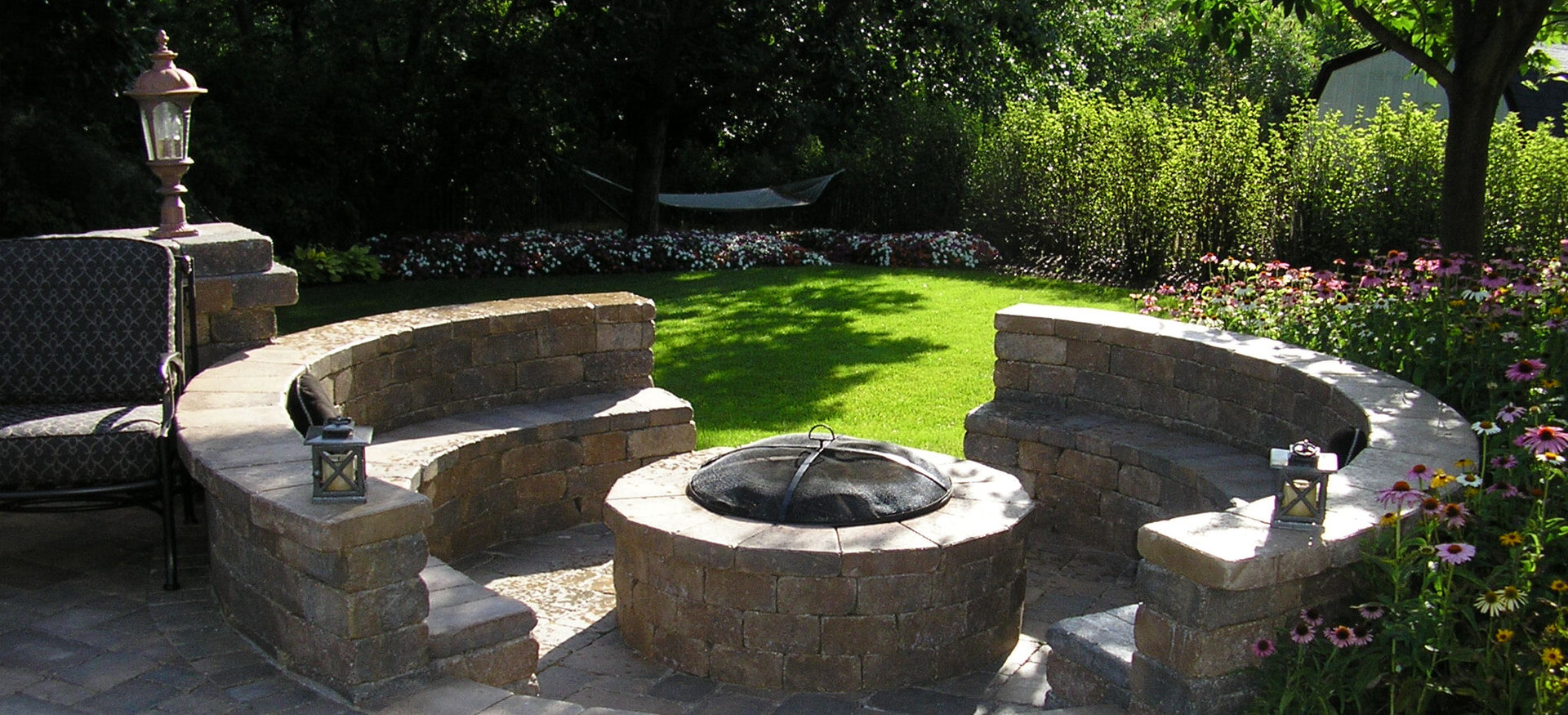
- A fire pit area
The focal point gives the eye somewhere to land and helps the space feel intentional.
Layer Plants By Height
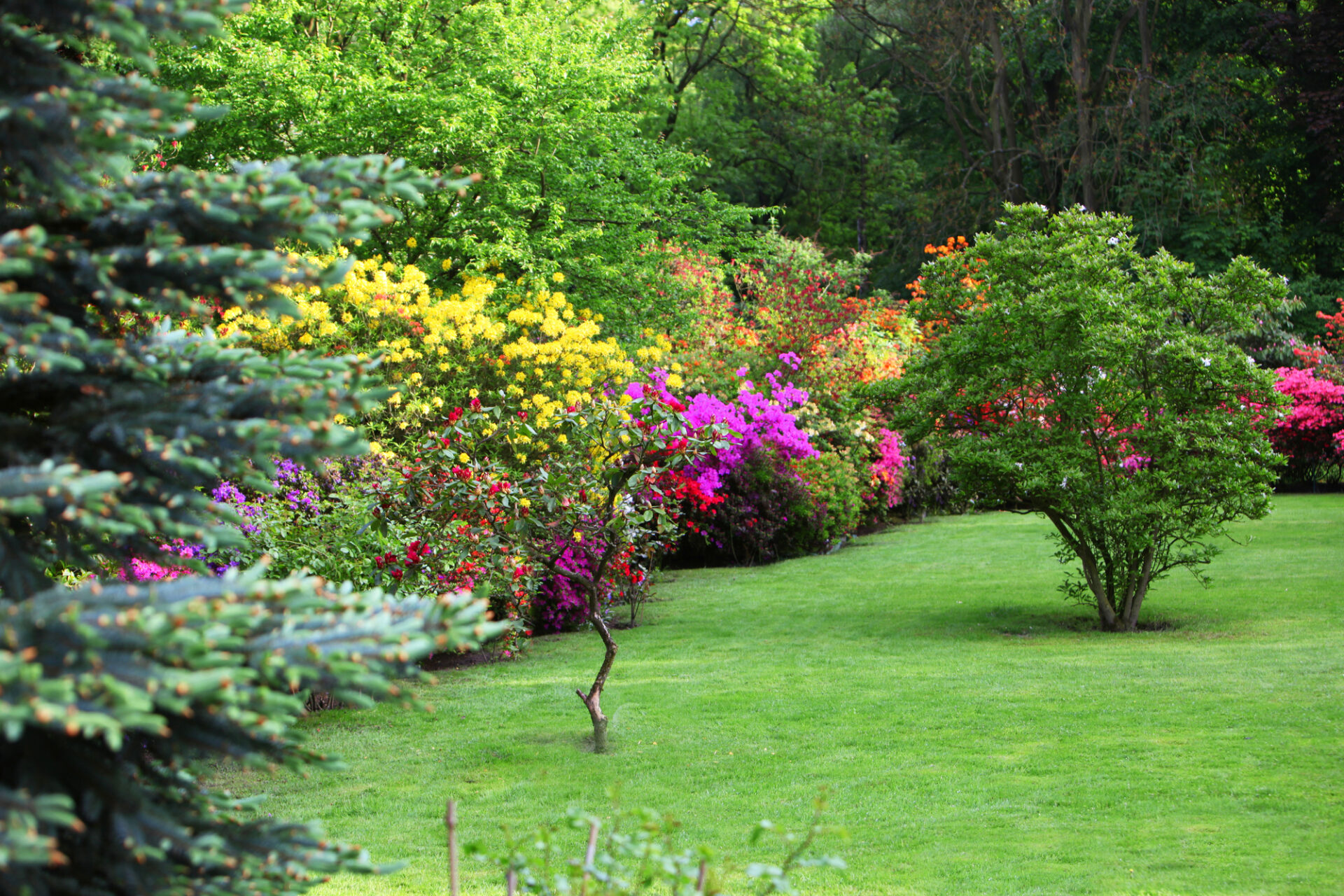
A well-planned landscape usually includes layers. Taller plants often go in the back, medium plants in the middle, and lower plants near the front. This creates depth and keeps smaller plants from being hidden.
A simple layering approach may include:
- Back layer: Trees, tall shrubs, privacy plants
- Middle layer: Medium shrubs, ornamental grasses, larger perennials
- Front layer: Low perennials, groundcovers, annual flowers, edging plants
Layering helps your backyard look full and balanced rather than flat or random.
Think About Mature Plant Size
One of the most common landscaping mistakes is planting too closely. Small plants at the garden center can become much larger over time.
Before buying, ask:
- How tall will this plant grow?
- How wide will it get?
- How fast does it grow?
- Will it need regular pruning?
- Will it crowd nearby plants?
- Will it block windows, walkways, or views?
Planning for mature size keeps your landscape healthier and easier to maintain.
Plan For Year-Round Interest
A backyard should not look good for only a few weeks. A garden center can help you choose plants that provide interest throughout the year.
This may include:
- Spring flowers
- Summer blooms
- Fall foliage
- Evergreen shrubs
- Winter berries
- Interesting bark
- Ornamental grasses
- Long-lasting foliage color
If you are looking for landscape design in Oak Ridge, TN, local garden center staff can suggest plants that perform well through the area’s seasonal changes.
Bring Photos To The Garden Center
Photos are extremely helpful. Take pictures of your backyard from several angles. Include close-ups of problem areas, shaded spaces, existing plants, slopes, drainage concerns, patios, fences, and walkways.
With photos and measurements, garden center staff can better understand your space and provide more accurate recommendations.
Why Is Professional Guidance Helpful For Backyard Design?
Professional guidance is helpful because backyard design involves more than choosing plants you like. It requires understanding space, soil, sunlight, growth habits, maintenance, color, texture, drainage, and long-term plant health.
It Helps You Avoid Costly Mistakes
Buying the wrong plants can be frustrating and expensive. Plants may fail if they are placed in the wrong light, planted in poor soil, spaced incorrectly, or chosen without considering mature size.
Professional advice can help you avoid mistakes such as:
- Planting sun plants in shade
- Choosing plants that grow too large
- Overcrowding beds
- Ignoring drainage problems
- Using too many unrelated plant varieties
- Forgetting year-round structure
- Choosing high-maintenance plants
- Buying plants unsuited to local conditions
With garden center landscaping services, you can make informed choices before spending money on plants and materials.
It Helps Create A More Cohesive Look
A beautiful backyard usually feels connected. The plants, colors, textures, hardscape features, and layout should work together.
Garden center staff can help you choose plants that complement each other instead of competing for attention. They may suggest repeating certain plants, using a consistent color palette, or balancing evergreen structure with seasonal blooms.
This helps your backyard look designed rather than random.
It Helps Match The Design To Your Lifestyle
Your backyard should fit the way you live. A family with kids may need open lawn space, durable plants, and safe pathways. A homeowner who loves entertaining may want colorful borders around a patio. Someone who travels often may need low-maintenance plants that can handle occasional neglect.
Professional backyard landscape design help can bring your lifestyle into the planning process.
It Helps With Local Plant Success
Local knowledge matters. A plant that grows beautifully in one region may struggle in another. Soil, rainfall, summer heat, winter temperatures, pests, and local conditions all affect performance.
If you need landscape design in Oak Ridge, TN, a local garden center can help you choose plants that are more likely to thrive in your area. That means fewer replacements, healthier growth, and a landscape that improves over time.
It Helps You Phase The Project
Not every backyard project needs to be completed at once. A garden center can help you create a phased plan, starting with the most important areas first.
For example, you might begin with foundation shrubs and privacy plants, then add perennials, mulch, containers, and seasonal color later.
Phasing can make the project more manageable and budget-friendly.
It Gives You Confidence
Backyard design can feel overwhelming when you are trying to make every decision alone. Professional guidance gives you a clearer plan, better plant choices, and more confidence in your investment.
Instead of wondering if you bought the right plants, you can leave the garden center with a practical direction and a better understanding of how to care for your landscape.
Create A Backyard You’ll Love With Willow Ridge Garden In Oak Ridge, TN
A garden center can be one of the best places to start when designing your backyard landscape. From plant selection and soil advice to layout planning and seasonal color ideas, the right guidance can help you create a yard that feels beautiful, functional, and easier to maintain.
Whether you are working with sun, shade, clay soil, slopes, privacy concerns, or an empty backyard that needs a full refresh, garden center landscaping services can help turn your ideas into a realistic plan. With thoughtful backyard landscape design help, you can choose plants that suit your space, your style, and your level of maintenance.
At Willow Ridge Garden in Oak Ridge, TN, we believe your backyard should feel like an extension of your home. Our team is here to help you explore plant options, understand your growing conditions, and make confident choices for your outdoor space.
If you are looking for friendly guidance, quality plants, and local insight into landscape design in Oak Ridge, TN, Willow Ridge Garden is ready to help you create a backyard that grows beautifully season after season.