If you’ve requested a landscaping quote recently and did a double take at the price, you’re not the only one. Many homeowners are realizing that outdoor projects cost more today than they did a few years ago.
A patio that once seemed easy to budget for might now require more planning, and a full backyard makeover can come with numbers that make you pause.
But those higher costs aren’t random. They reflect changes in materials, labor, and what homeowners expect from their outdoor spaces.
In 2026, landscaping is about creating functional, lasting environments designed for how people actually live outside.
What Factors are Driving Modern Landscaping Cost Trends in 2026?
Landscaping costs don’t exist in a vacuum. They respond to design trends, economic forces, and changing homeowner priorities.
Here are some of the biggest drivers shaping pricing in 2026.
1. The Rise of Outdoor Living Spaces
Backyards have transformed from simple green spaces into outdoor extensions of the home.
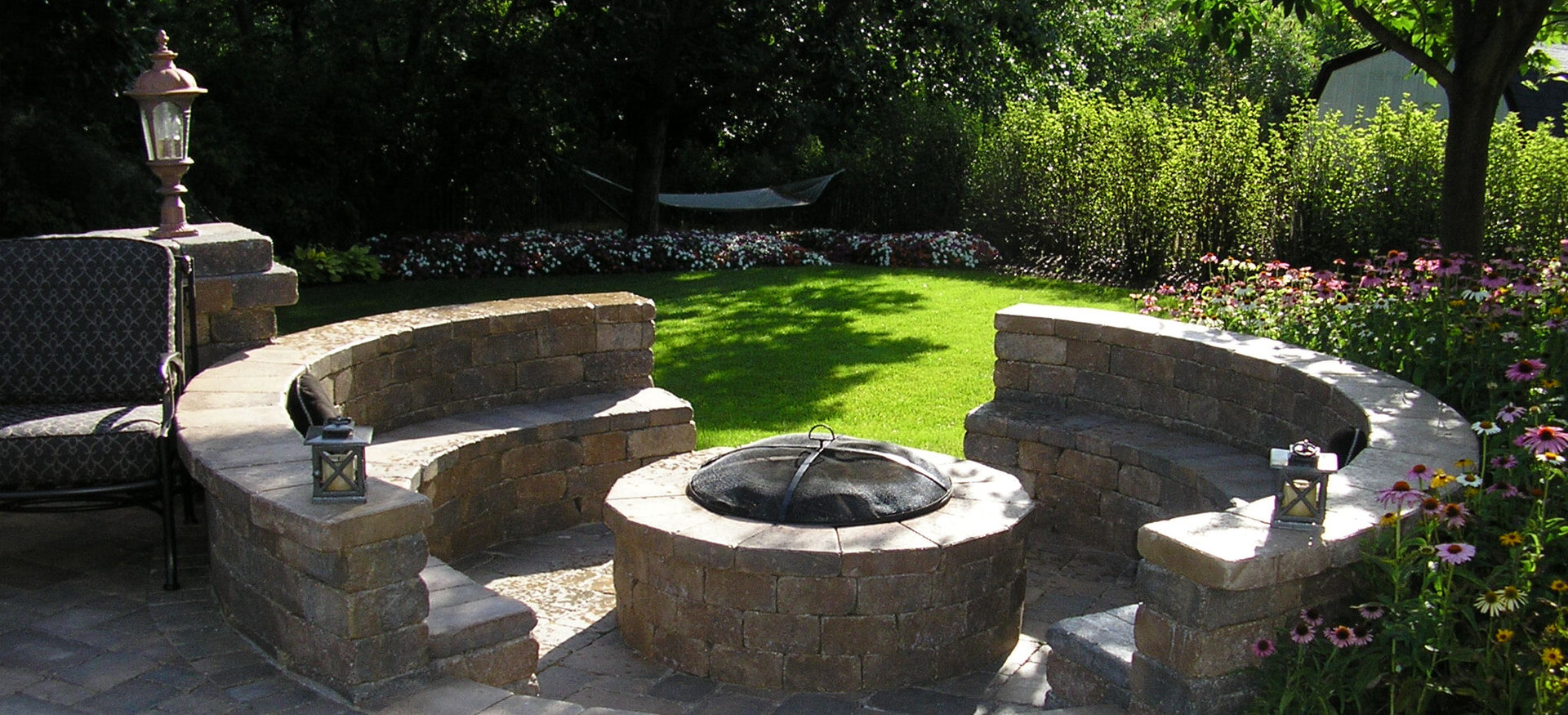
Modern projects now frequently include outdoor kitchens, covered pergolas, fire features, built-in seating, integrated lighting systems, and irrigation upgrades. These aren’t cosmetic additions. They involve plumbing, electrical, structural work, and skilled labor.
The more complex the project, the more planning and precision required—and that impacts cost.
2. Demand for Sustainable Design
Homeowners are asking smarter questions:
- Can we reduce water usage?
- Are these plants native to the region?
- What’s the long-term maintenance requirement?
Sustainable landscaping often involves:
- Drought-tolerant plant selections
- Advanced irrigation systems
- Permeable hardscaping
- Soil amendments
While sustainability can reduce long-term maintenance costs, initial installation may require specialized expertise.
3. Higher Quality Expectations
In the past, basic patios and standard sod installations were common.
Today’s clients often prefer:
- Natural stone over basic concrete
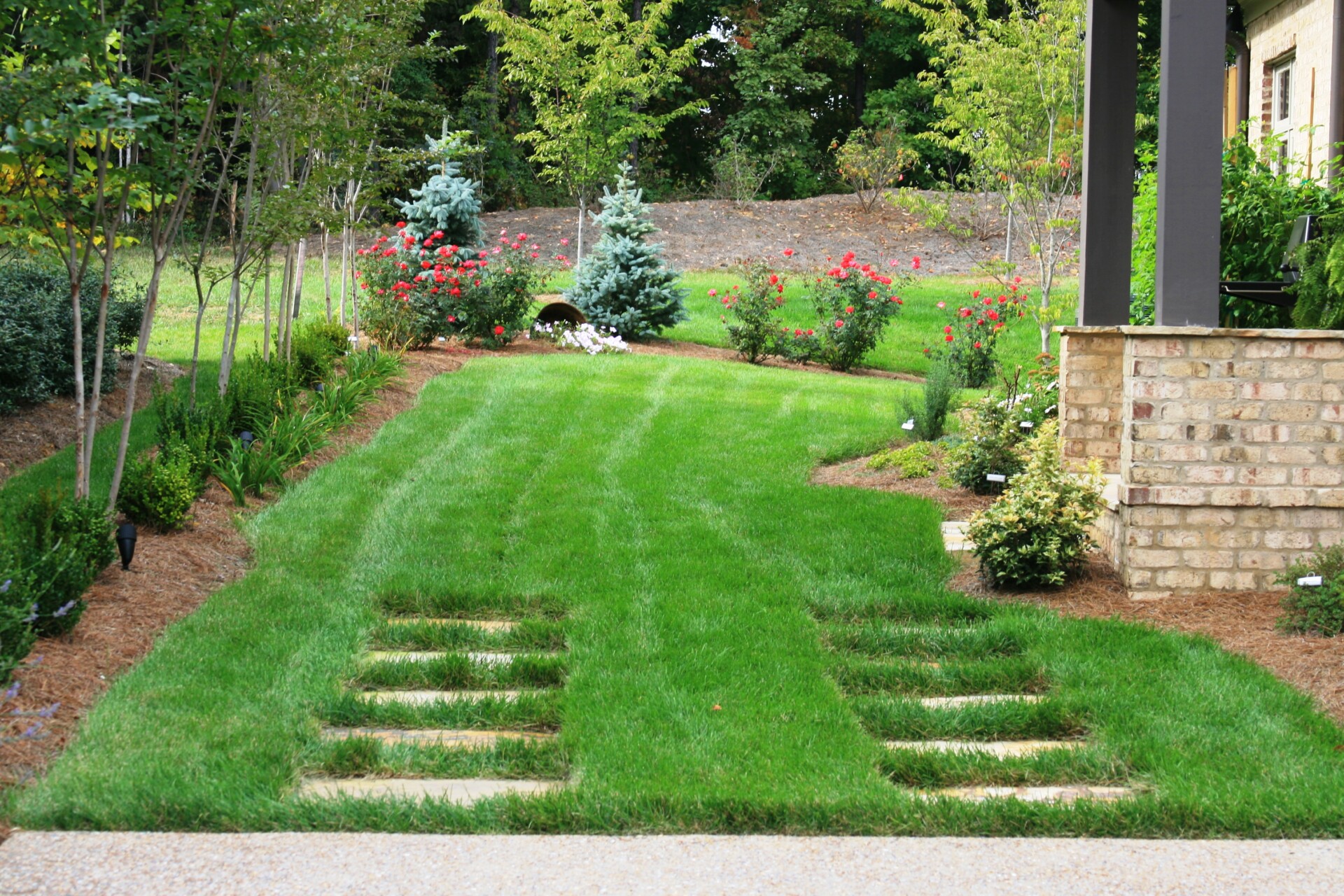
- Custom layouts instead of uniform grids
- Layered plantings for year-round interest
- Integrated drainage planning
Customization increases both design time and labor intensity.
4. Technology Integration
Smart irrigation systems, outdoor lighting automation, and climate-adaptive controls are becoming standard.
Technology adds value—but also adds complexity.
Landscaping is no longer just about plants. It’s about infrastructure.
How Have Material and Labor Prices Impacted Landscaping Costs in Recent Years?
Even if design expectations had stayed the same, landscaping costs would still have shifted due to broader economic forces.
Material and labor pricing have played a major role.
Material Costs
Hardscape materials such as natural stone, pavers, lumber, gravel, and drainage components. Have experienced price fluctuations due to supply chain disruptions, transportation costs, and global demand.
Natural stone, in particular, often reflects quarry availability, shipping distances, and fuel prices. Even soil, mulch, and compost prices have shifted in some markets.
It’s not just the materials themselves—it’s the cost of getting them to your property.
Labor Costs
Skilled labor in landscaping has become more valuable.
Projects today require expertise in:
- Grading and drainage
- Masonry
- Irrigation design
- Structural carpentry
- Outdoor electrical integration
Qualified crews are in high demand.
As wages increase across skilled trades, landscaping reflects that shift.
And here’s something many homeowners overlook: labor isn’t just about hours worked.
It includes equipment operation, site preparation, precision installation, cleanup, and project management. Well-executed landscaping isn’t rushed. It’s deliberate. Quality takes time.
Why Do Landscaping Costs Vary So Much Between Urban and Suburban Areas?
Two homes can request similar projects and receive very different quotes—simply based on location.
Geography matters more than most people realize.
1. Land Access and Site Constraints
Urban properties often present challenges like:
- Limited equipment access
- Tight working spaces
- Parking restrictions
- Utility congestion
Crews may need to hand-carry materials, use smaller equipment, and work around existing infrastructure.
That increases labor time.
Suburban properties often offer more access—but may require more material due to larger lot sizes.
2. Permit and Regulation Requirements
Urban municipalities frequently have stricter:
- Permit processes
- Drainage requirements
- Environmental regulations
- HOA standards
Navigating those layers adds time and administrative cost.
3. Regional Labor Rates
Labor costs vary significantly by region.
Urban markets with higher living costs typically reflect higher service pricing.
Suburban or rural areas may offer lower rates—but transportation and material delivery distances can offset that difference.
4. Market Demand
High-demand markets often experience busier contractor schedules, longer lead times, and premium pricing.
Landscaping, like any service industry, responds to supply and demand.
How Does Project Size Influence Overall Landscaping Expenses?
Project size isn’t just about square footage.
It’s about scope, complexity, and integration.
1. Small Projects: Higher Cost Per Square Foot
Interestingly, smaller landscaping projects often cost more per square foot.
Why?
Because equipment mobilization still occurs, crew minimums still apply, and design planning is still required.
A 200-square-foot patio doesn’t eliminate setup time.
Smaller jobs carry fixed costs that don’t shrink proportionally.
2. Large Projects: Economies of Scale
Larger installations often benefit from:
- Bulk material pricing
- More efficient equipment use
- Streamlined workflow
However, total project cost obviously increases due to scale.
Large projects also often include grading and drainage adjustments, irrigation expansion, and multi-phase design elements which adds complexity.
3. Customization vs. Standardization
A simple rectangular patio costs less than a curved, multi-level design. Customization adds design hours, material cutting, and precision installation.
Every added feature—retaining walls, lighting, water features—affects pricing.
4. Long-Term Maintenance Considerations
Project size also influences future maintenance. Larger plantings require ongoing pruning, seasonal cleanup, and irrigation monitoring.
Some homeowners intentionally scale projects to balance installation cost and long-term care.
The Bigger Picture: Landscaping as Investment
Here’s the shift happening in 2026.
Landscaping is no longer seen as optional décor. It’s viewed as:
- An extension of living space
- A contributor to property value
- A functional outdoor environment
That shift changes how homeowners approach cost.
Instead of asking, “Why is this so expensive?” many are asking, “What value does this add?”
Well-designed landscaping can improve curb appeal, enhance resale value, increase daily usability, and reduce long-term maintenance.
When evaluated as infrastructure rather than decoration, pricing makes more sense.
Understanding Cost Without Losing Vision
It’s easy to get discouraged when project estimates come in higher than expected.
But understanding the factors behind modern landscaping costs allows you to make informed decisions.
You can:
- Adjust material selections
- Phase projects over time
- Prioritize high-impact elements
- Explore alternative design solutions
Cost trends aren’t about inflating prices—they reflect evolving expectations, materials, and skilled labor realities.
And when done right, landscaping continues to deliver strong returns in both enjoyment and value.
Let’s Build a Landscape That’s Worth the Investment
If you’re looking into landscaping and wondering what really affects the cost, you don’t have to figure it out alone. At Willow Ridge Garden, we believe great outdoor spaces start with clear conversations and thoughtful planning.
Our team works with you to design a landscape that fits your style, your needs, and your budget.
Ready to move from questions to a real plan? Reach out to Willow Ridge Garden today and start designing a space you’ll love.