A beautiful Knoxville yard does not have to depend on acres of closely mowed grass, constant watering, or high-maintenance planting beds. More homeowners are discovering another approach: designing landscapes that work with East Tennessee’s natural conditions instead of constantly fighting them.
Native plants are an important part of that shift. When matched to the right soil, sunlight, and moisture conditions, native trees, shrubs, grasses, and flowering perennials can create attractive landscapes while supporting wildlife, improving water management, and reducing some of the inputs associated with conventional yards.
Sustainable landscaping is not about letting a property become overgrown. It is about making thoughtful choices that create a yard that is functional, attractive, and better connected to the environment around it.
What Does Sustainable Landscaping Mean in Knoxville?
Sustainable landscaping looks at the entire yard as a working system. Plant selection is part of it, but so are soil conditions, drainage, lawn size, water use, maintenance, and wildlife habitat.
The University of Tennessee’s Tennessee Smart Yards program encourages homeowners to consider their property’s light, soil, topography, drainage, and intended use when choosing plants. It also recommends incorporating native plants and avoiding invasive species.
That means there is no single sustainable-yard formula.
A sunny front yard may benefit from native flowering perennials and grasses, while a shaded backyard could call for woodland plants and understory shrubs. A low area that collects rainwater may become an opportunity for a rain garden rather than an ongoing drainage frustration.
The goal is to put the right plant in the right place. Thoughtful landscape design can help organize those choices around the actual conditions and uses of the property.
Why Are Native Plants So Valuable in Knoxville Landscapes?
Native plants are species that developed as part of the region’s ecosystems rather than being introduced from somewhere else. Their biggest advantage is not simply that they are “native.” It is the ecological relationships they have developed with local soils, insects, birds, and other wildlife.
Native Plants Can Support Pollinators and Wildlife
A yard filled with flowers may look wildlife-friendly, but plant selection matters.
Native plants can provide nectar, pollen, seeds, shelter, and host material for insects and other wildlife. Knoxville Botanical Garden and Arboretum’s Pollinator Garden, for example, includes native milkweeds, bee balms, echinaceas, rudbeckias, and native grasses to provide food and habitat for pollinators.
Homeowners do not need to turn an entire property into a meadow to make a difference. Even a well-designed bed containing several native species can add valuable habitat. Creating a dedicated pollinator garden is one way to combine ecological value with seasonal color.
Established Native Plants Can Fit Local Conditions
A common misconception is that every native plant is automatically low-maintenance.
That is not always true. A moisture-loving native planted in a dry, exposed location may struggle just like any other poorly placed plant.
The real advantage comes from matching species to the conditions they naturally prefer. A well-chosen native plant can often thrive with less intervention once established because the site provides the light, moisture, and soil conditions it needs.
How Can Sustainable Landscaping Help Manage Knoxville Rainfall?
Water management is one of the most practical reasons to reconsider how a yard is designed.
Roofs, driveways, patios, and other hard surfaces prevent rain from soaking directly into the soil. During heavier rainfall, that water can move quickly across a property, contributing to puddling, erosion, and stormwater runoff.
The City of Knoxville recommends native plants and rain gardens among the steps residents can take to help water soak into the ground.
Rain Gardens Turn Runoff Into a Landscape Feature
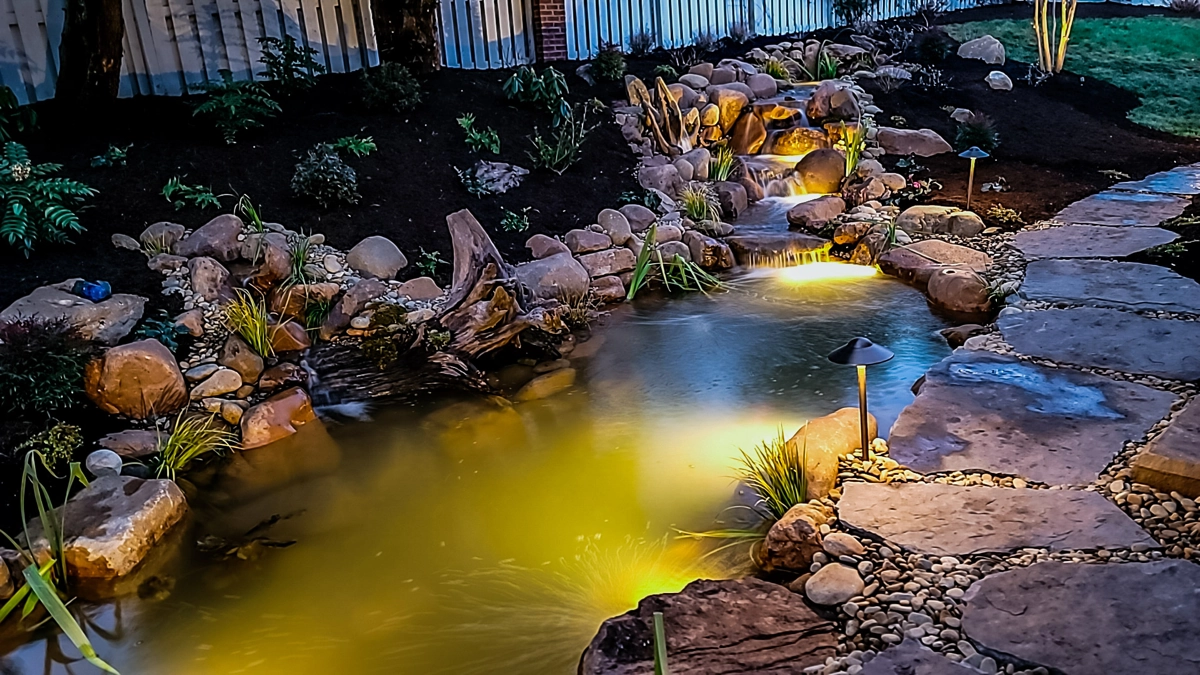
A rain garden is a shallow planted depression positioned where it can temporarily collect runoff from areas such as rooftops or driveways.
Rather than sending all that water immediately downhill, a properly designed rain garden allows it to soak gradually into the ground. Tennessee Smart Yards describes rain gardens as landscape features that can help filter runoff while providing an attractive, natural element in the yard.
Native plants suited to periodically wet soil can make these areas both functional and visually appealing.
Does Going Native Mean Getting Rid of Your Lawn?
No. Sustainable landscaping does not have to mean eliminating turfgrass completely.
Lawns still make sense where homeowners need open space for children, pets, entertaining, or recreation. The question is whether every section of the property needs to be lawn.
A steep bank that is difficult to mow, an unused corner of a backyard, or a narrow strip along a property line may be more useful as a planting bed.
UT Extension’s sustainable landscaping guidance recommends matching lawn size to the family’s actual needs rather than automatically making turf the dominant feature of the landscape.
Reducing unused lawn space can also create opportunities for trees, shrubs, grasses, and flowering plants that offer greater seasonal interest. Homeowners interested in reducing upkeep may also benefit from exploring steps to a low-maintenance landscape.
What Native Plants Can Knoxville Homeowners Consider?
Plant selection should always start with the individual site. Sun exposure, drainage, mature plant size, soil conditions, and the surrounding landscape all matter.
Depending on those conditions, Tennessee landscapes may include plants such as:
- Purple coneflower
- Black-eyed Susan
- Bee balm
- Butterfly milkweed
- Little bluestem
- Switchgrass
- Spicebush
- Native serviceberries
Rather than selecting plants only because they are native or attractive, think about what each plant will contribute.
Create Layers Instead of Planting One Type of Plant
A sustainable bed becomes more interesting when plants perform different jobs.
A small native tree can provide structure and shade. Shrubs create a middle layer and shelter. Perennials contribute flowers and seasonal color, while grasses add texture and movement.
Bloom time matters, too. Combining plants that flower at different points during the growing season can extend color in the landscape while providing food for pollinators over a longer period.
How Can You Make an Existing Knoxville Yard More Sustainable?
You do not need to redesign the entire property at once.
Start with one part of the yard where a change would solve an existing problem. That might mean replacing plants that repeatedly fail, reducing an awkward patch of lawn, improving a wet area, or creating a pollinator bed near a patio.
Before planting, consider:
- How much direct sunlight the area receives
- Whether the soil stays dry, moist, or periodically wet
- Where rainwater travels after a storm
- How large each plant will become
- How much maintenance you realistically want
- Whether existing plants are native, non-native, or invasive
You can then gradually build on those improvements.
This approach often produces a more cohesive landscape than buying individual plants first and trying to find places for them later. Understanding the basics of building healthy soil can also help create better growing conditions before new plants go into the ground.
Sustainable Yards Can Still Look Polished and Intentional
One reason some homeowners hesitate to use more native plants is the fear that the yard will look messy.
Good landscape design solves that problem.
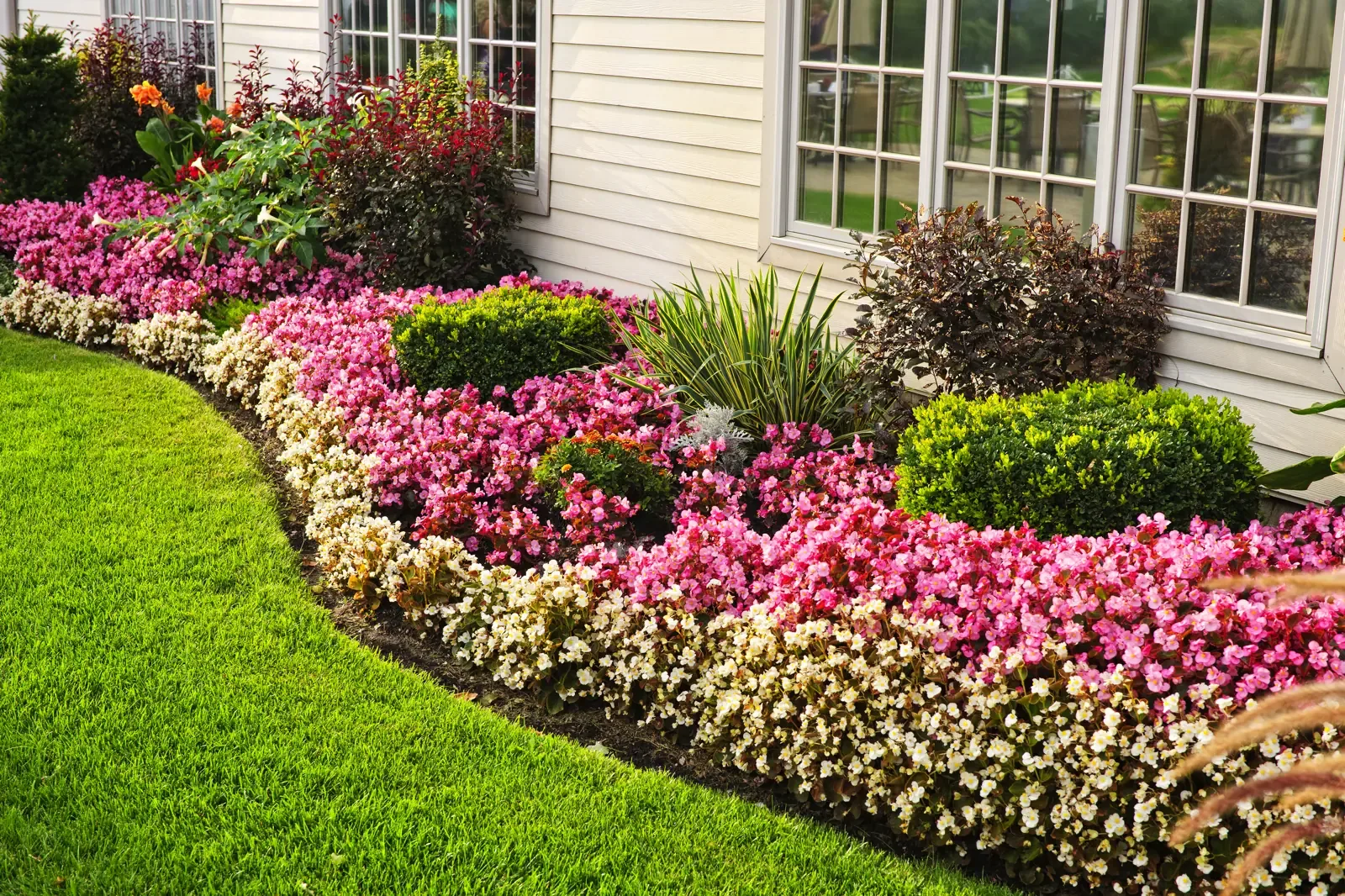
Defined bed edges, repeated plant groupings, paths, mulch, carefully positioned shrubs, and clearly maintained lawn areas can give native plantings structure. The plants may have a more natural character, but the overall landscape can still look organized and intentional.
Sustainability and curb appeal do not have to compete.
In fact, native grasses, flowering perennials, shrubs, and trees can introduce changing textures, blooms, seed heads, and fall color that make a landscape interesting throughout the year.
Grow a Knoxville Landscape That Feels at Home
Creating a more sustainable yard does not require giving up the parts of landscaping you enjoy. It means making plant and design choices that better fit the property, the Knoxville environment, and the way you actually use your outdoor space.
At Willow Ridge Garden, we’re here to help homeowners explore plants and landscape choices that bring beauty, function, and long-term value to their yards. Whether you’re starting a native planting bed, refreshing an existing landscape, or simply trying to make smarter plant choices, thoughtful planning can help your yard feel naturally connected to East Tennessee.
Start with one area, choose plants for the conditions you actually have, and let your landscape grow into something that works with nature rather than against it.